New Stream Restoration Project
Projects
In Progress
Coming Soon
Client
Undisclosed
Location
Coming Soon
Completion Date
In Progress
Construction Cost*
${acf_construction_cost}
Design & Permitting
Flow State LLC
*excluding materials
Summary
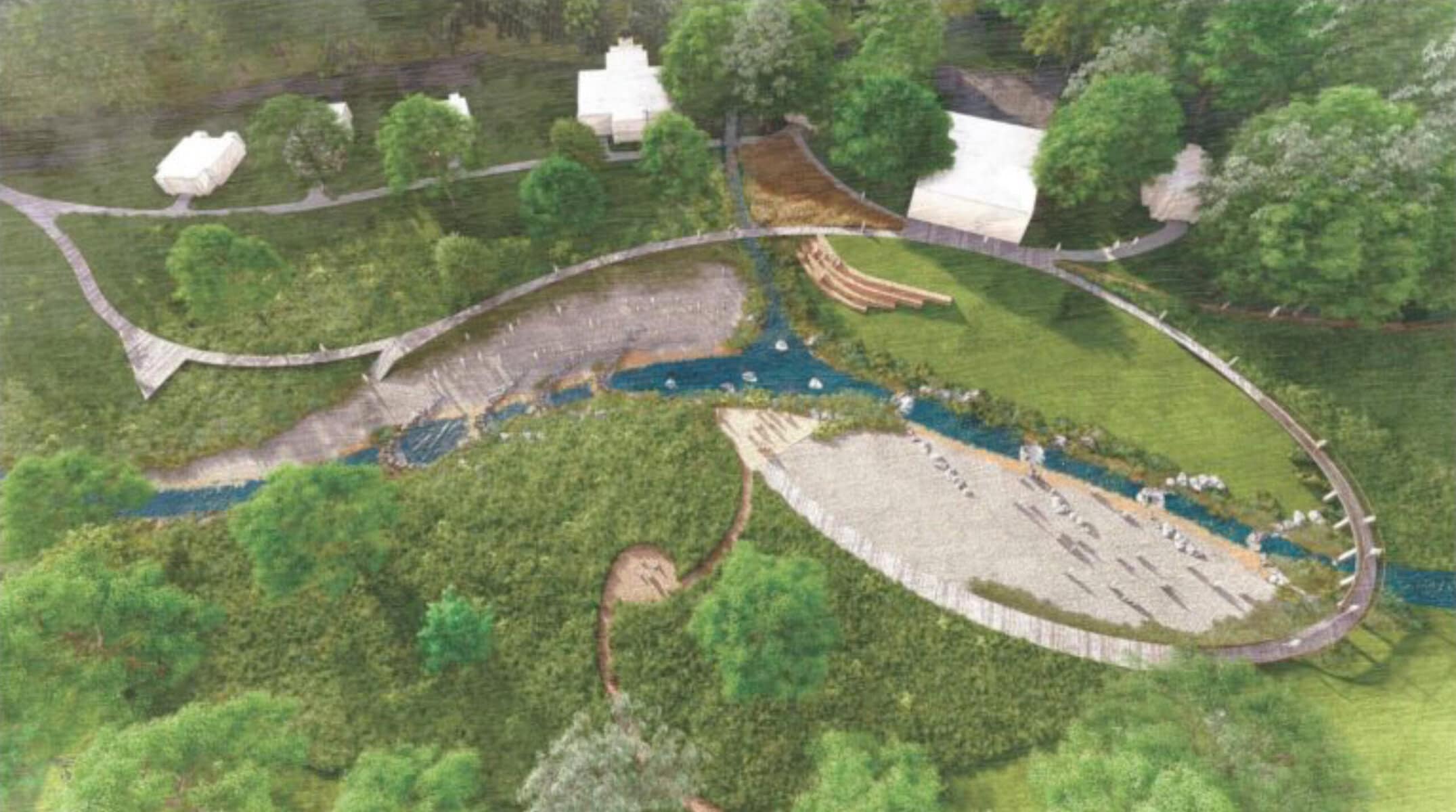
- Restoring approximately a quarter mile of stream channel through the former lakebed, following removal of a dam originally built in the 1930s.
- Reconnecting aquatic habitat by removing a barrier that had blocked organism passage and free-flowing stream function for decades.
- Stabilizing the new channel and streambanks using wood toe protection, rock riffles, and bioengineered bank treatments with native plantings.
Project Description
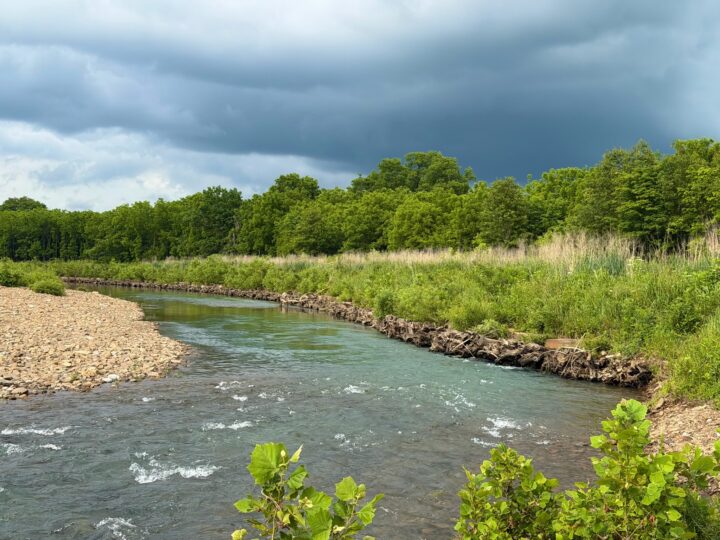
This stream restoration project focuses on restoring approximately a quarter mile of stream channel currently impounded by a lake and removing a dam originally constructed in the 1930s.
Over time, the lake has become increasingly difficult to maintain due to significant sediment accumulation, resulting in reduced depth and recurring algal blooms. In addition to these water quality concerns, the impoundment acts as a barrier to aquatic organism passage, limiting ecological connectivity throughout the stream system. This project aims to address these challenges by restoring a free-flowing stream and improving overall ecosystem function.
This long-term effort has been in development for approximately eight years and includes collaboration among key partners such as the Arkansas Game and Fish Commission, the Arkansas Natural Heritage Commission, the Arkansas Department of Agriculture’s Natural Resources Division and the U.S. Environmental Protection Agency, along with additional supporting organizations. Early involvement in the project began through work with The Nature Conservancy.
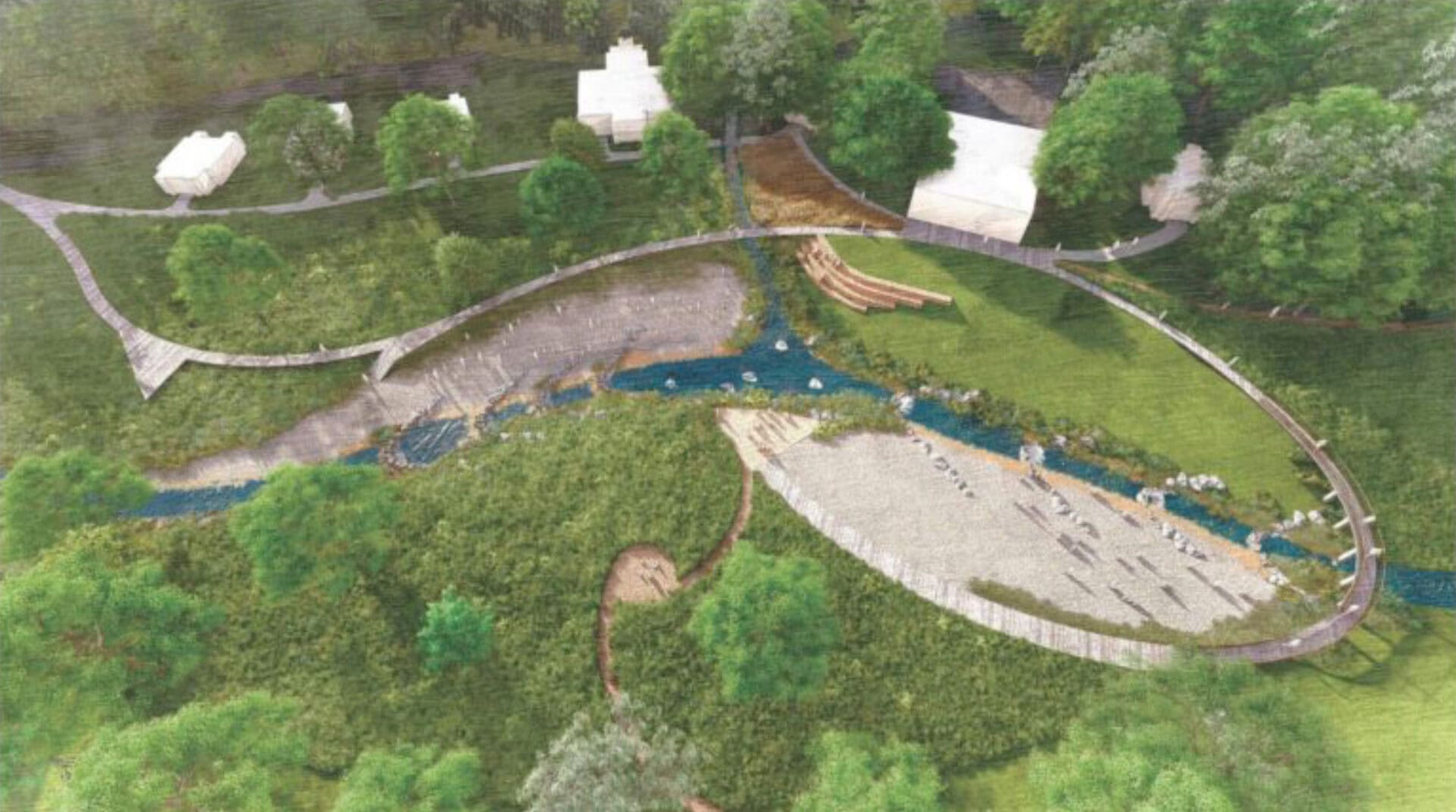
The proposed work includes grading a new, naturally stable channel through the former lakebed using natural channel design principles. Restoration techniques will incorporate wood toe protection along meander bends, rock structures such as riffles to support grade control and habitat diversity, and bioengineering methods for streambank stabilization. These methods include the use of coir (coconut fiber) fabric, along with native seeding and planting to establish long-term vegetation and resilience. The Ecological Design Group is leading the design efforts, with Flow State serving as the design-build contractor responsible for construction. Permitting is currently underway, with construction anticipated to begin in June.
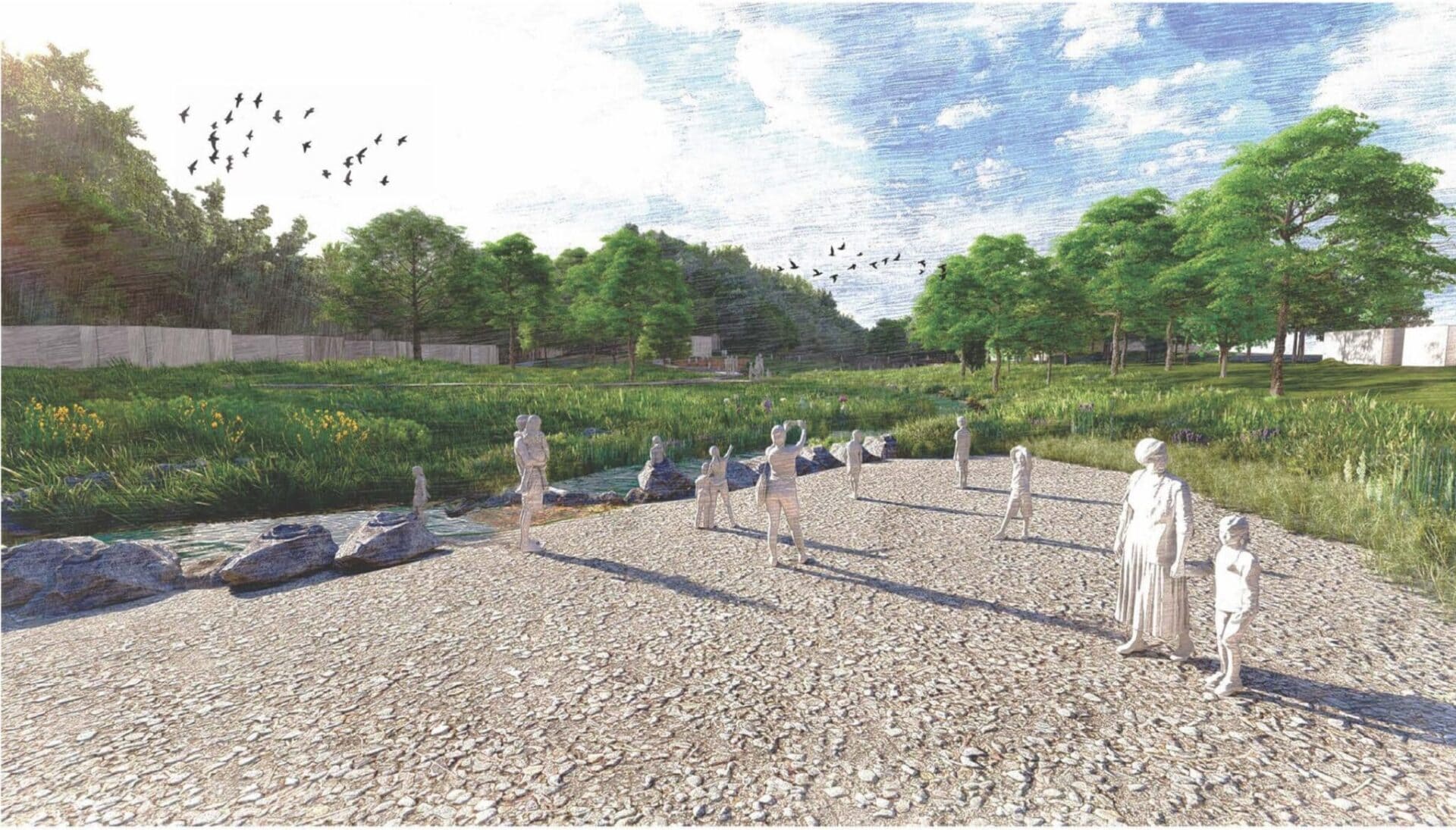
Once complete, the restored corridor will provide substantial ecological benefits, including improved aquatic and riparian habitat for fish, birds, and other wildlife. Beyond ecological function, the project will enhance the usability and aesthetic value of the camp and retreat center by creating opportunities for visitors to safely interact with the stream and its surrounding floodplain.
Dye Creek- West Fork of the White River
Next Project